Why is the quantum computer different?
Quantum computing has many concepts that help us understand its potential applications in the organization or industry. All computing systems rely on the basic ability to store and manipulate information. Conventional computers store information in bits (zeros and ones), and quantum computers use qubits. Quantum computers take advantage of the laws of quantum mechanics found in nature. They represent a fundamental change from traditional information processing.
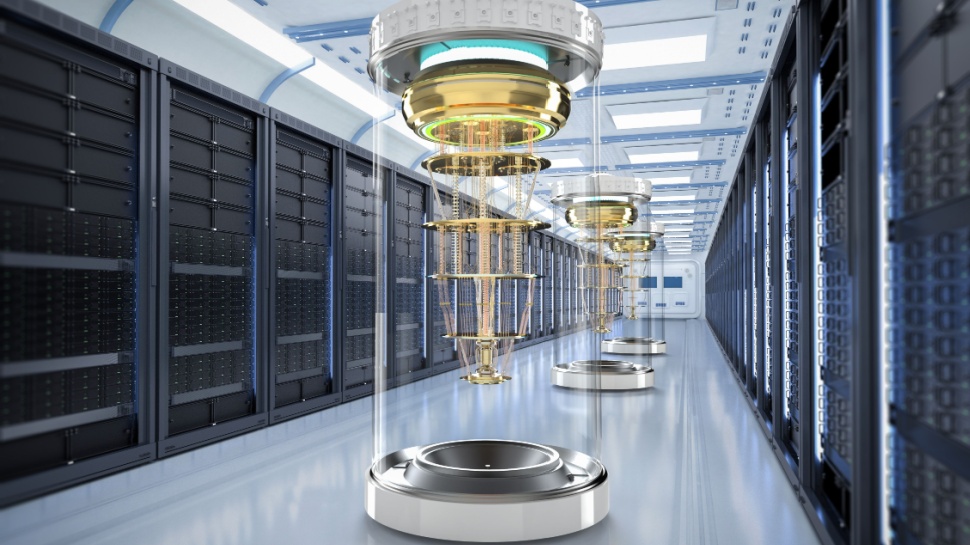
Quantum computers exist now because we’ve recently figured out how to control what’s been in the world all this time: the quantum phenomena of superposition, entanglement, and interference. These new components expand designability into algorithms in computing. Quantum computers offer us a new vision of problems that can reveal solutions that would be invisible to classical computers.

Let’s run our first quantum program!
During the DEMO, we present the SODOKU game. This is a good representation of the “black box” problem, when we don’t know which result is appropriate, but if we give logically good conditions, the quantum algorithm will find a solution!
Help to navigate
Frequently asked questions
Meet our team
Leaders of Quantum Nexus

Benedek Botár
CEO

Bálint Farádi
CTO
László Somlyai
CFO
Source: IBM Educational Material